
Understanding Quality of Life in Senior Pets
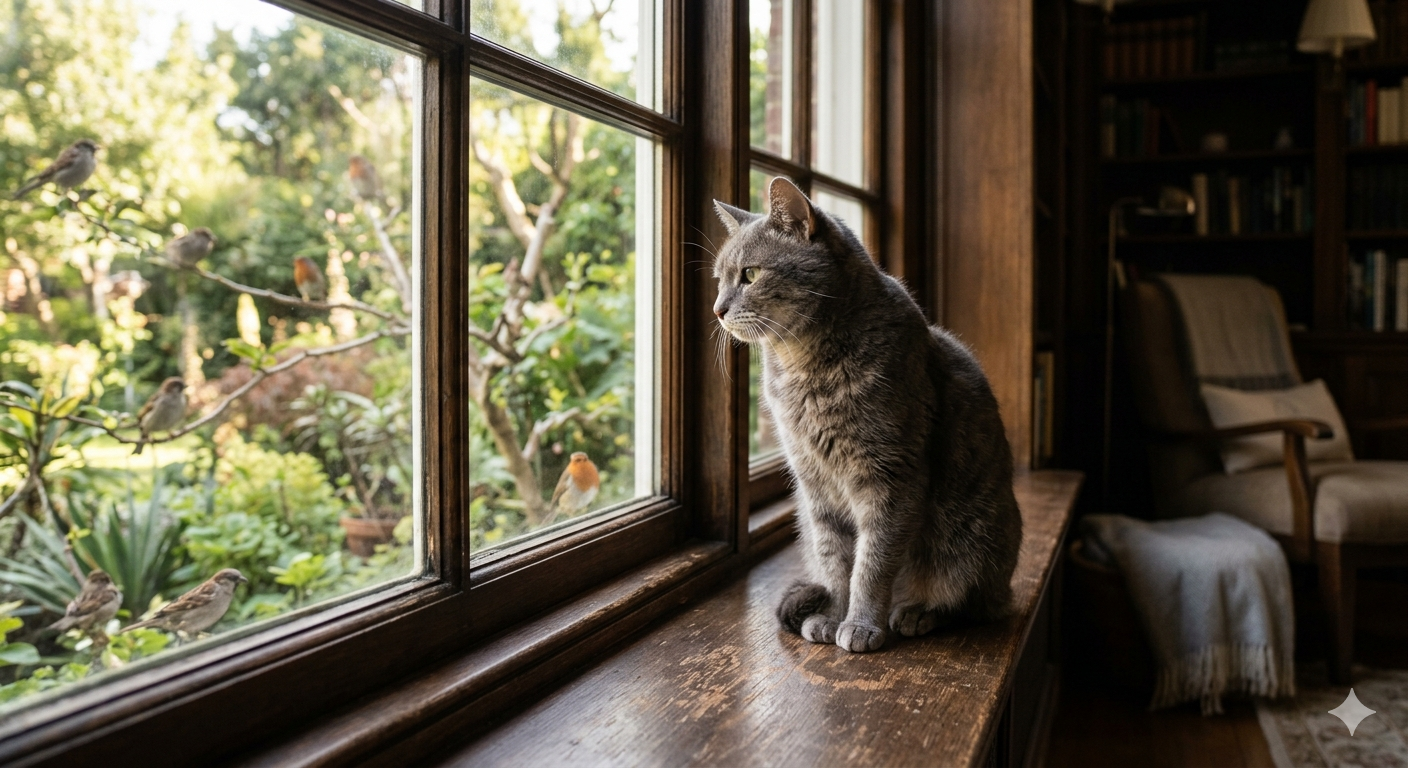
Quality of life is often reflected in the simple things: curiosity, comfort, familiar routines, and continued engagement with the world around them.
Looking Beyond Age
When animals enter their senior years, many families begin paying closer attention to age.
But age alone tells us very little about quality of life.
Some older animals remain curious, engaged, and active well into their later years. Others may begin showing subtle changes that affect their daily experience.
The more useful question is often not:
"How old is my companion?"
but rather:
"How are they experiencing life right now?"
The Small Changes We Often Miss
Quality of life rarely changes overnight.
More often, it shifts gradually.
A dog who hesitates before jumping into the car.
A cat who spends more time resting and less time exploring.
A horse that seems less interested in social interaction within the herd.
These changes are not necessarily signs of a problem.
They are invitations to pay closer attention.
Quality of Life Is More Than Physical Health
Veterinary care plays an essential role in helping animals stay healthy.
At the same time, quality of life extends beyond medical considerations.
Comfort.
Movement.
Rest.
Social connection.
Interest in daily activities.
A sense of safety and familiarity.
Together, these factors help shape how an animal experiences each day.
Why Observation Matters
Animals communicate continuously through behavior.
Changes in routine, movement, curiosity, and interaction often provide valuable clues about evolving needs.
The goal is not to monitor every detail.
It is simply to remain attentive.
Sometimes the smallest observations become the most meaningful.
Supporting Well-Being Through Every Stage
There is no single formula for aging well.
Each animal has unique needs, preferences, and life experiences.
What remains consistent is the value of creating conditions that support comfort, engagement, and overall well-being throughout every stage of life.
Small adjustments, thoughtful routines, and supportive environments often play an important role in that process.
Quality of Life Is Measured Daily
Quality of life is rarely defined by age alone.
It is reflected in everyday moments.
A favorite routine.
A comfortable place to rest.
An opportunity to explore.
A moment of connection.
These small experiences often tell us more about well-being than a number ever could.
